
Best LP? Run this buyer’s test first.
Every provider calls itself the best liquidity provider. As the buyer, you decide with evidence: your instruments, your hours, your costs, tested side by side.

Match coverage to your list
Write the instruments you will offer and your expected volumes. Ask each provider to show quotes for exactly that list. Gold, indices and crypto behave differently from major pairs.
Count every cost
Spreads, commissions, bridge licence and set-up, margin and deposit requirements, and any minimum volumes all affect the real cost. Put them in one table for each provider.
Test, then decide
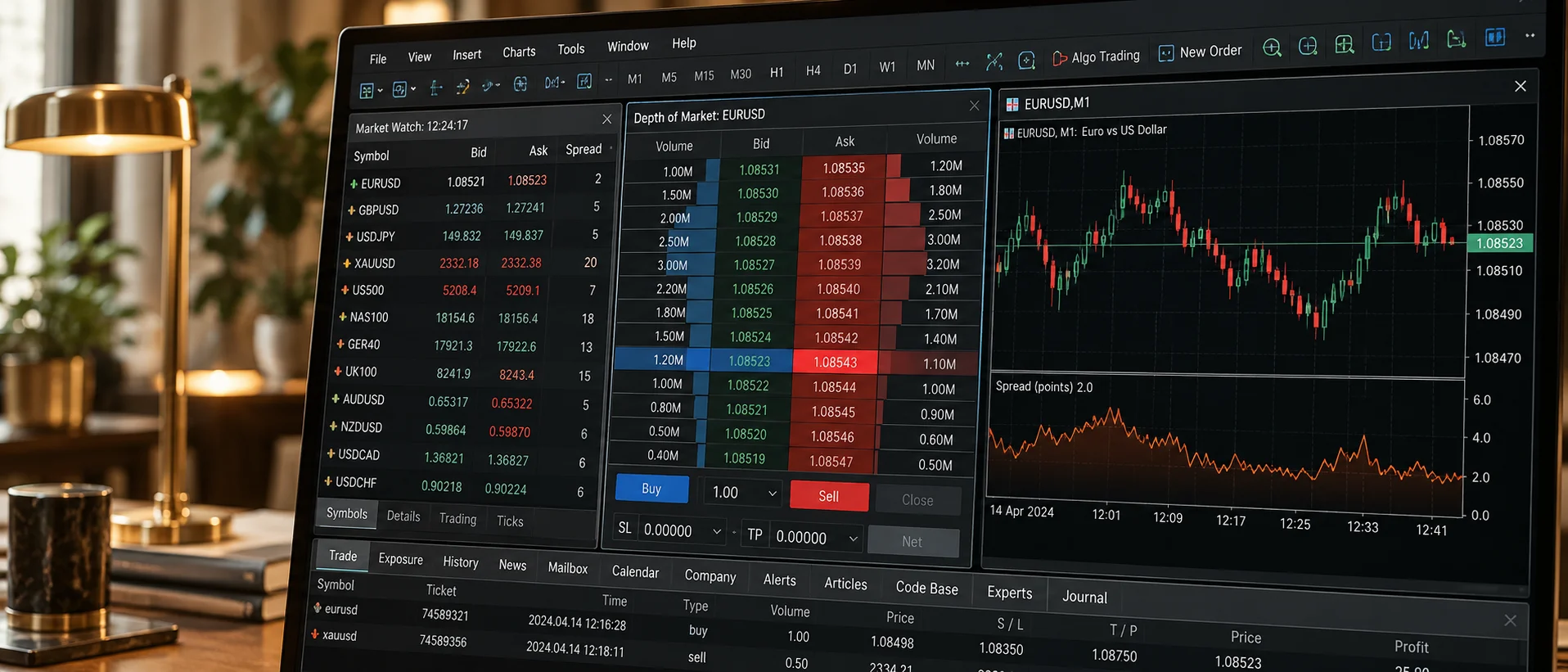
Run demo or small live tests across the same dates and hours. Record spreads, fills, slippage and rejects. Add the bridge and hosting costs from our hosting guide before choosing.
Red flags in LP pitches
Be wary of vague claims about coverage, refusal to share test access, unclear fees and pressure to deposit before testing. A confident provider welcomes a trial and writes terms plainly. If the best LP claim cannot survive a test, move on.
A simple comparison table
Make a table with providers as columns and rows for instruments, spread tests, commission, margin terms, bridge cost, minimum volume, support hours and contract length. Fill it from written answers and test results. When a cell is empty, the provider has not answered yet, and that matters.
Questions we hear
Do I need an LP before launch?
You need a plan for pricing and execution. How you run it depends on your model.
Is the cheapest LP the best?
Not if fills, support or terms are weak. Cost is one factor among several.