
MetaTrader 5 and Forex CRM: What to Buy Together and What to Buy Separately
Sellers love to bundle MetaTrader 5 and a CRM. Sometimes a bundle saves money and effort; sometimes it hides weak parts. Here is how to judge.
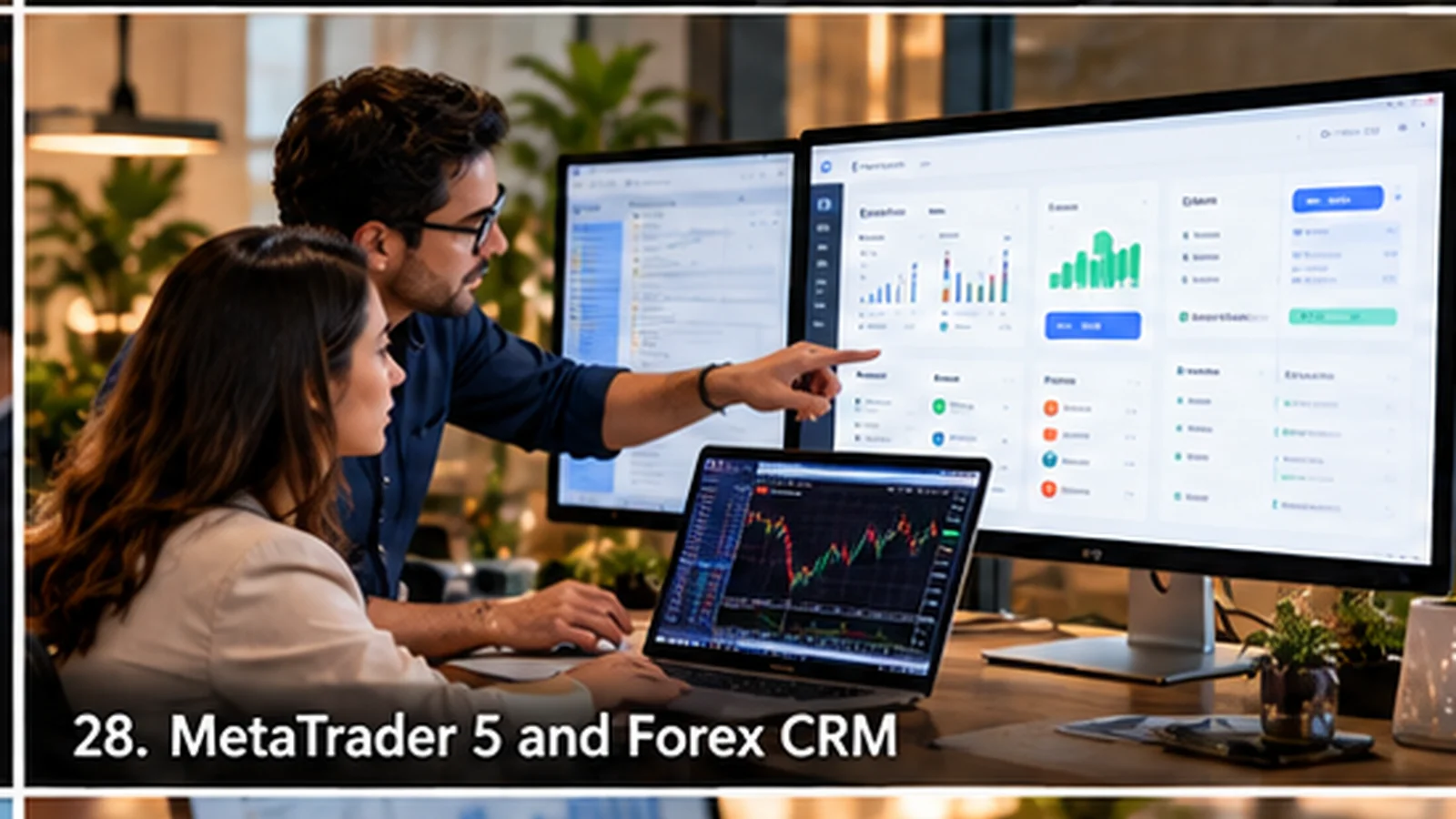
When a bundle helps
A bundle can reduce coordination and make one party responsible for the connection. It helps when the integration is proven and priced clearly.
When to buy separately
Buy separately if you need a specific CRM, want to avoid lock-in or if the bundle’s components are weaker than the best alternatives. Separate purchases need a clear owner for the integration.
What to check either way
- Which platform actions the CRM supports.
- Who builds and maintains the connection.
- What it costs and what future changes cost.
- How failures are handled and who is notified.
Background is in the Manager API guide.
Beware of lock-in
Ask what it would take to replace either part later. Bundles that make replacement costly deserve a discount.
A simple decision
Compare bundle total with the sum of the best separate parts plus integration cost. Choose the cheaper option that you can support. See our Forex CRM guide.
Test replacing a part
Ask each seller what it would take to replace the CRM or the integration later, and what it would cost. Bundles that make replacement hard should be priced accordingly.
A clean answer shows that you will not be locked in, and it gives you leverage in the negotiation.
A bundle versus separate purchase table
Compare buying a bundle with buying components separately.
| Row | Bundle | Separate parts |
|---|---|---|
| Total price over 12 months | ||
| Total price over 36 months | ||
| Integration work | ||
| Number of vendors to manage | ||
| Support route | ||
| Ease of replacing one part | ||
| Data export and exit |
Fill it with quotes. Lock-in appears in the last two rows.
A worked example of testing replaceability
A buyer asks, for a bundle, what would happen if the CRM were replaced. The vendor explains that the CRM is tightly tied to the platform environment and replacing it would require a migration. The buyer then asks the same about separate vendors and learns that the integration is standard and can be rebuilt.
The buyer decides that the convenience of the bundle is worth it for the first two years but negotiates a clause on data export and a price cap on integration changes.
What to check either way
- Which workflows the connection supports.
- Who supports it when something breaks.
- How balances are reconciled.
- What happens when one side is down.
- How data can be exported.
See our Manager API guide for the technical questions.
Costs hidden in the connection
The connection between platform and CRM has its own costs: implementation, testing, monitoring, support and changes. These may be included in a bundle or priced separately. Ask for each, and ask what happens when either system is updated.
A connection that is cheap to build but expensive to maintain is a poor bargain. Ask the vendor about the maintenance plan and cost.
Vendor responsibility when two systems disagree
If the CRM and the platform show different balances, who investigates? Agree in advance. A common arrangement is that each vendor investigates its own side and you coordinate. Ask for a written escalation route and response targets.
Knowing the route before an incident saves hours when one occurs.
Questions for a bundle vendor
If you consider a bundle, ask which components are made by the vendor and which are sourced from others. Ask how updates to each component are handled and what happens if you want to replace one. Ask for a written statement of data export rights. These questions reveal how open the bundle really is.
How to read a bundle quote
A bundle quote usually shows one price for a platform environment and a CRM together. The first thing to ask is how the price divides between the parts, because the split tells you what each costs if you later replace one. If the vendor will not break the price down, you cannot judge whether the bundle is a discount or a premium.
The second thing to ask is what the bundle assumes about size. A bundle priced for a few hundred clients may behave very differently at a few thousand. Ask for the price at your expected scale in year one and year three. A bundle that looks cheap today and becomes expensive as you grow is a trap that a simple question can reveal.
Checking independence of the parts
Ask whether the CRM can be used with a different platform provider, and whether the platform can be used with a different CRM. A vendor who says yes and can show how is offering real flexibility. A vendor who says yes in principle but has no examples may be offering flexibility on paper only.
Write the answer into your decision file together with any commitments about data export and integration support. If you ever need to switch, these statements will decide how painful it is.
Documenting the decision to bundle or separate
Record whether you chose a bundle or separate vendors, the reasons, the costs and the risks you accepted. Include the contract terms on data export and replacement. Add a date to review the decision, because needs change.
The record helps your team understand why the setup looks as it does and guides future changes.
Frequently asked questions
Should I buy a bundle or separate parts?
Compare total cost, integration effort, support and ease of replacing a part.
What is lock-in?
A situation where changing a vendor or component is costly. Ask about export and replacement.
Who supports the integration?
Agree this in the contract.
Can I test replacing a part?
Ask the vendor to describe the steps and cost.